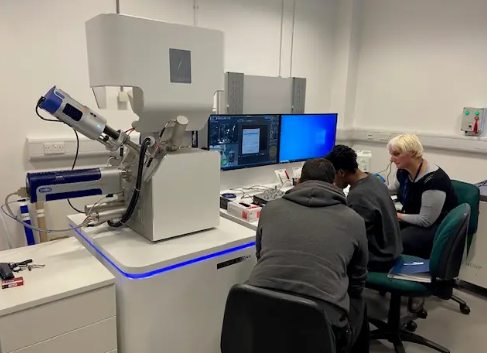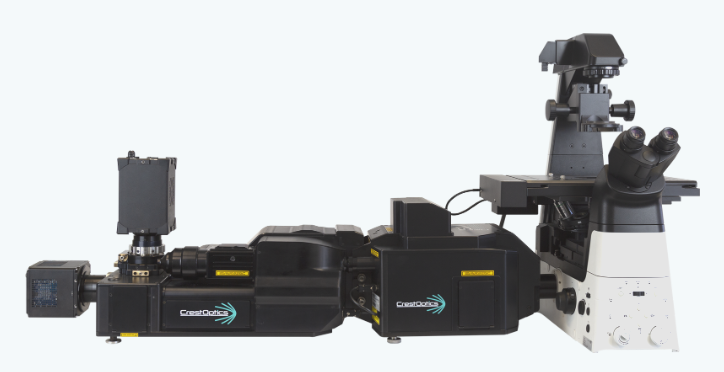

Imaging facilities
Our state of the art facilities give our academics access to super-resolution microscopy, spinning disk confocal microscopy and a range of motorized wide field microscopes
We support CenGEM researchers and partners with cutting-edge facilities across imaging, bioinformatics, biofabrication and more. Explore capabilities and get in touch to discuss your needs.
Instrumentation is available either through collaborations or through charges for external use. Please contact the relevant facility team to discuss access, feasibility and costs.
Our state of the art facilities give our academics access to super-resolution microscopy, spinning disk confocal microscopy and a range of motorized wide field microscopes
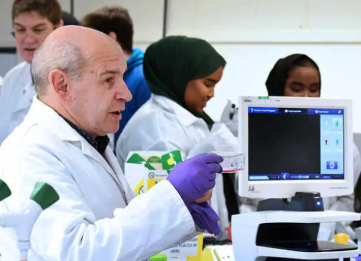
We are equipped with modern laboratories and equipment to support our research, and our teaching.
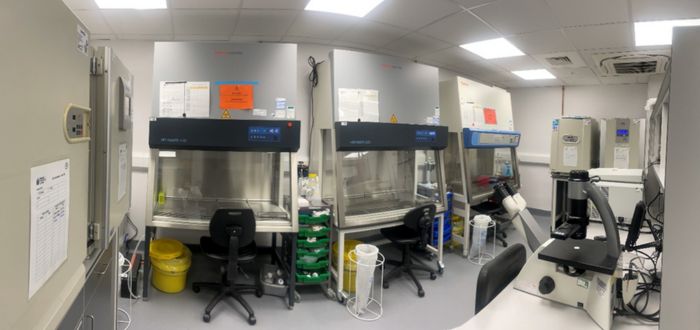
We have several state of the art tissue culture laboratories to support work with microbes, cell lines, organoids and viruses at containment level BSL-1, 2 and - in the future - BSL3
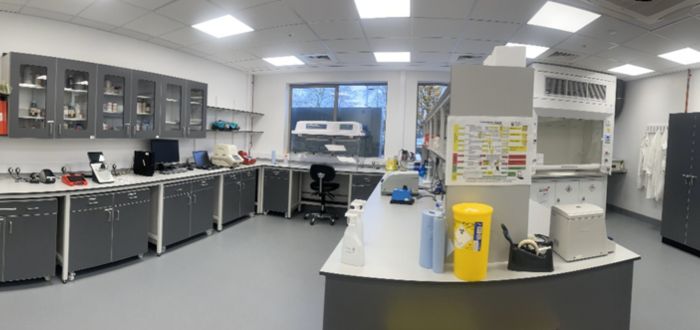
Our laboratories are equipped with cell and molecular biology instrumentation for everyday experiments and advanced techniques
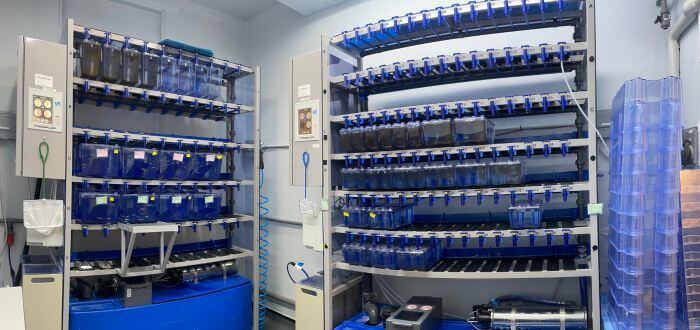
Our bio-annexe facilities support our work with diverse animal models including Fathead Minnows, Stickleback, Medaka, Sheepshead Minnows and Xenopus Laevis and Tropicalis, in addition to snails
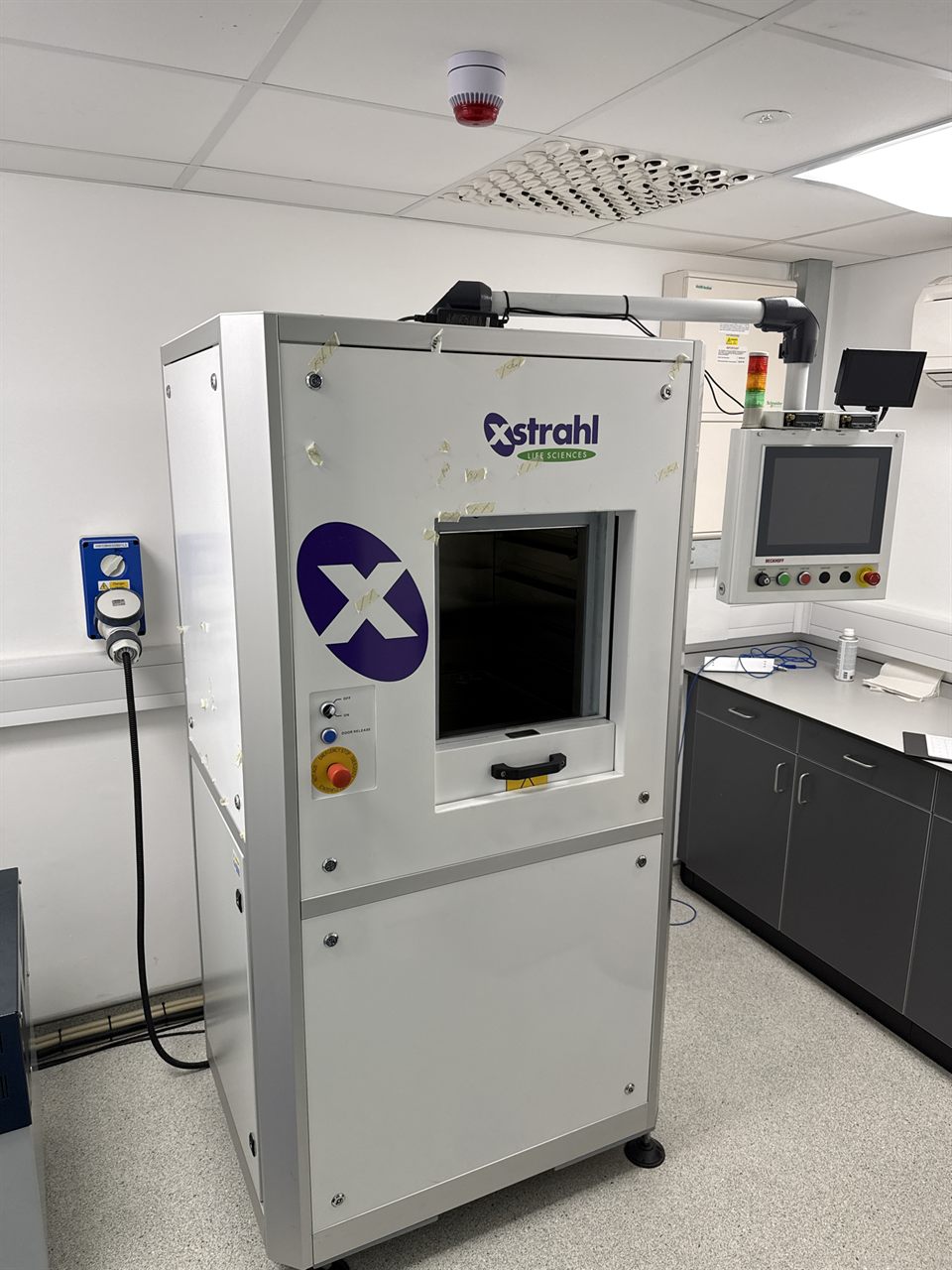
Our 320 kV self-contained cabinet irradiator enables accurate irradiation of biological samples for in vitro and in vivo preclinical research, including radiobiology, DNA damage and repair, tumour microenvironment, normal tissue response and combination treatment studies.
We have a ground-based facility for microgravity simulation with the random positioning machine by Yuri GmbH. We are specifically interested in understading how mechanical forces and microgravity alter biological processes, but also in engineering (microfluidics, OOC, biophotonics) new technologies for space missions.
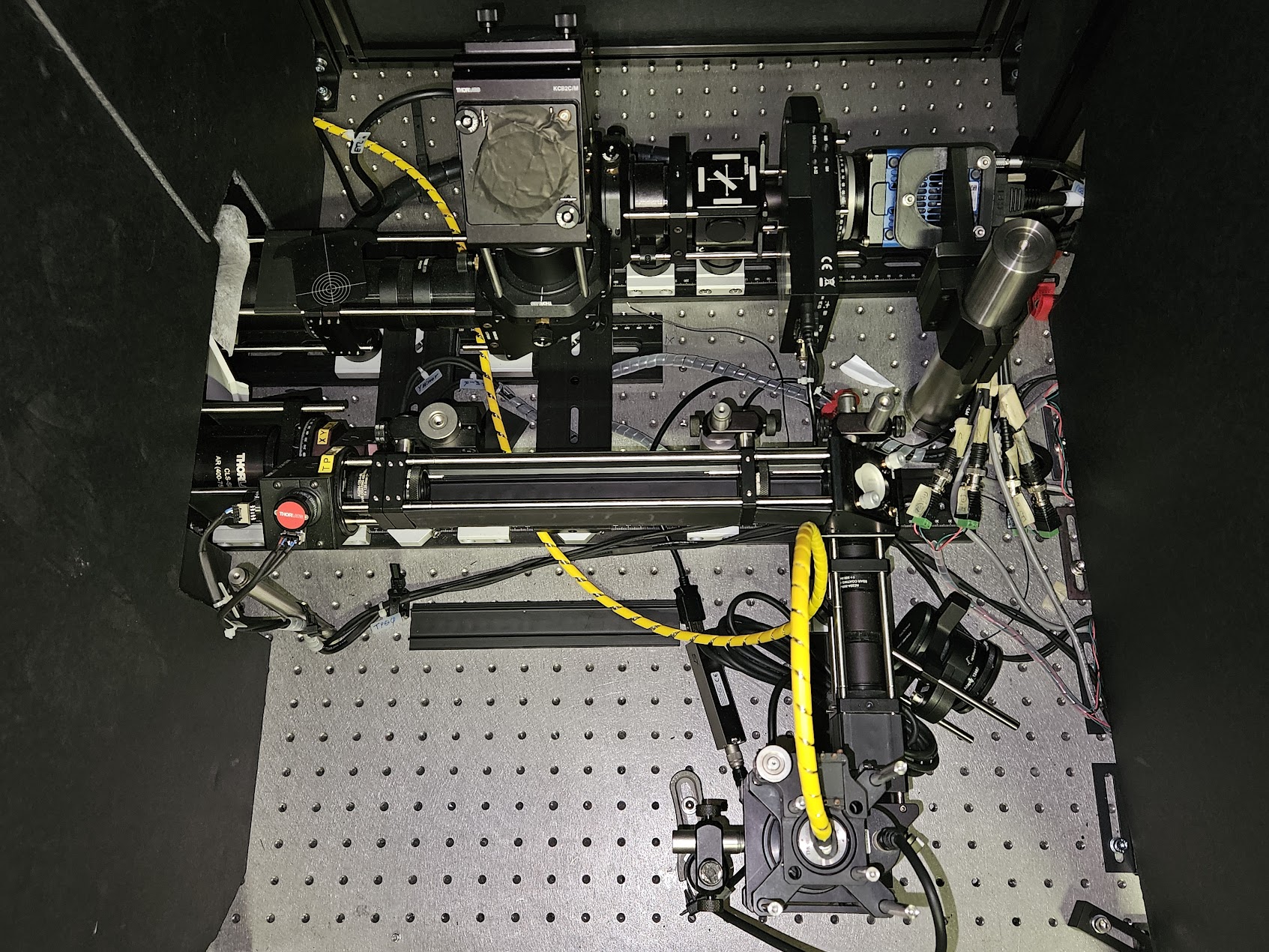
We are pioneering new techniques for fluorescence sensing in biology. We can provide collaborative access to two-photon microscopy, fluorescence lifetime imaging, FRET imaging, microfluidics and optogenetics biochemical control, light sheet microscopy, spectral and polarization imaging.
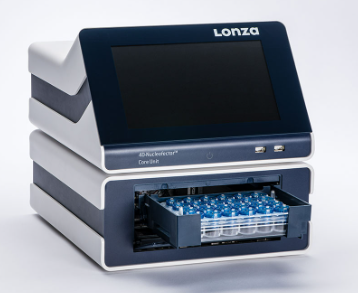
The Castro laboratory can offer access to an Amaxa 4d nucleofector, a state-of-the-art electroporator for iPS/ES cells and other more difficult-to-transfect cell types.
The Esposito and the Zhang Laboratory at biosciences and engineering, respectevly, can provide collaborative access to bioprinting and 3D printing instrumentation, in addition to Brunel's additive manufacturing facilities. Contact the PIs for more information.
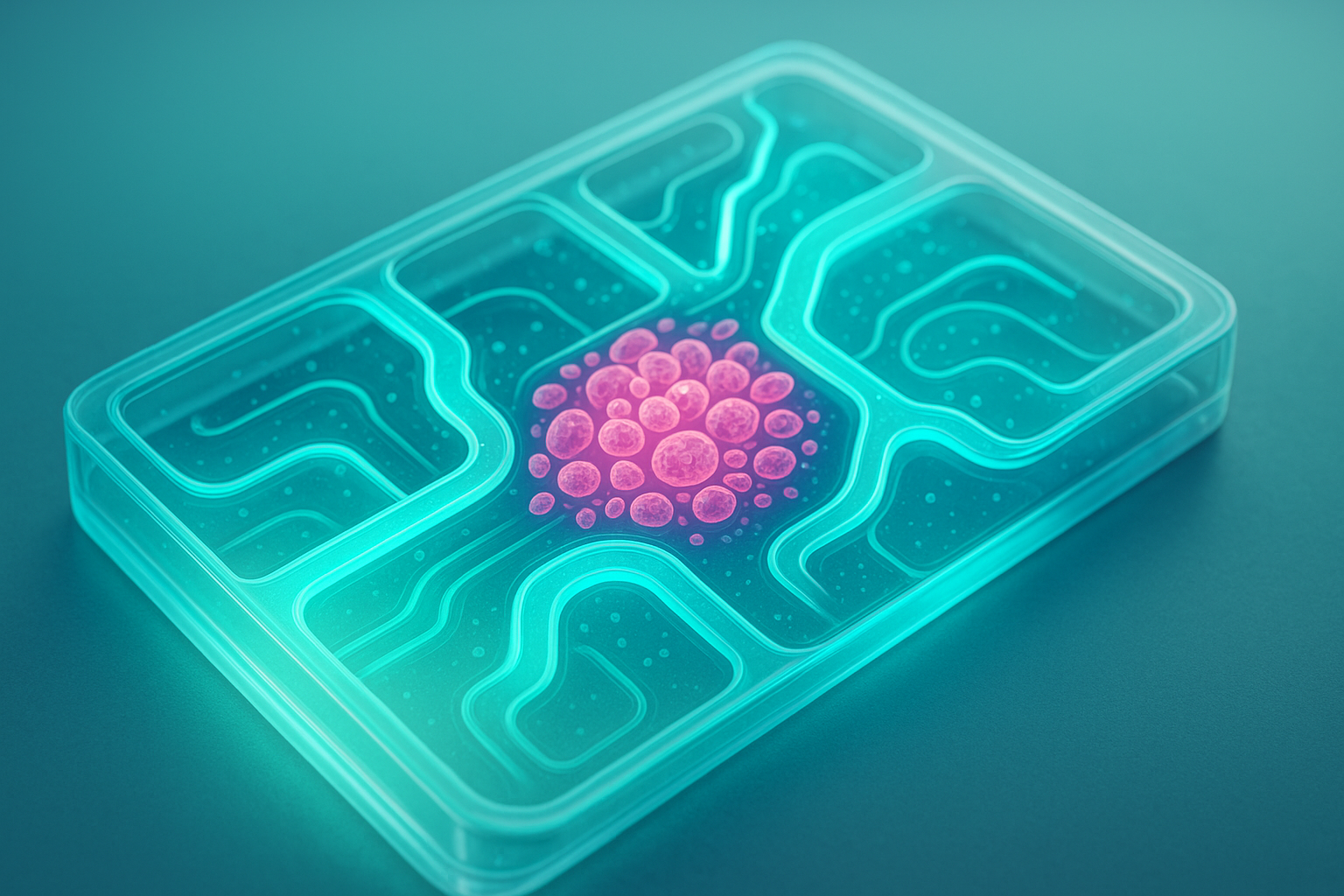
This multidisciplinary team of scientists and engineers develops advanced in-vitro systems to study women's health. We are creating "organ-on-a-chip" platforms that mimic female organs to better understand and treat conditions like cancer, pregnancy complications, and infections