
Professor Rhona Anderson
Investigates how exposure to ionizing radiation, from a variety of occupational, medical and environmental sources, can lead to genomic damage. Her work is grouped into four broad areas: genetic markers of radiation exposure, understanding health risks, health and wellbeing, and education and engagement.
Email
Dr. Sara Anjomani Virmouni
Dr. Virmouni’s research is dedicated to investigating the pathogenesis and potential therapies for Friedreich's ataxia (FRDA), a hereditary disease. She has received grant funding to study the metabolic signatures of FRDA and has previously studied the efficacy of histone methyltransferase (HMTase) inhibitors as a therapeutic approach. Her research also extends to oncology, where she has investigated the signaling and metabolic networks in breast cancer.
Email
Dr. Emma Bourton
Specializes in scientific and educational research. Her scientific work focuses on DNA damage and molecular repair mechanisms in mammalian cells, including extreme chemo-/radiosensitivity and resistance in cancer cells. Her educational work involves designing laboratory practical skills for students.
emma.bourton@brunel.ac.uk
Professor Joanna Bridger
Professor of Cell and Molecular Biology whose research concerns how the genome is spatially organized, influenced, and manipulated within the cell nucleus. The Bridger group focuses on genome behavior in replicative senescence, Hutchinson-Gilford Progeria Syndrome, host–pathogen interactions, and female cancers.
joanna.bridger@brunel.ac.uk
Dr. Concetta Bubici
Senior Lecturer in Biosciences whose research dissects how NF-κB and related transcriptional networks drive cancer cell survival and therapy resistance. Her group investigates inflammatory signaling, metabolism–cancer crosstalk, and drug-targetable nodes to improve treatment strategies.
concetta.bubici@brunel.ac.uk
Dr. Fotios Drenos
Genetic epidemiologist focused on computational/statistical genetics of common complex disease. He integrates rare and common variants to map risk and biology in cardiometabolic traits, diabetes and cancer, leveraging biobanks and large-scale cohorts.
fotios.drenos@brunel.ac.uk
Dr. Sibylle Ermler
Deputy Director of CenGEM and specialist in human toxicology, metabolism disruption, and endocrine disruption. Her current research investigates the effects of endocrine-disrupting chemicals on adipogenesis and metabolic disorders like obesity. She is a co-lead of the Cellular Differentiation and Tissue Structure cluster and works on developing novel in vitro approaches to create human-relevant models for disease, with the goal of reducing the need for animal testing.
sibylle.ermler@brunel.ac.uk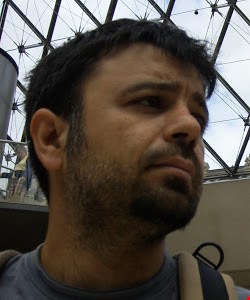
Dr. Victor Hernandez
Dr. Hernandez investigates the molecular mechanisms of genetic disorders, specializing in ciliopathies like Bardet–Biedl syndrome (BBS). He develops animal models to study disease pathogenesis and validate the preclinical efficacy of gene therapies. His research on AAV-based delivery systems has led to multiple patents and the co-founding of Axovia Therapeutics Ltd. As CSO of this UCL spin-out based at Brunel, he leads the development of first-in-human gene therapies for inherited retinal and neurometabolic disorders.
victor.hernandez@brunel.ac.uk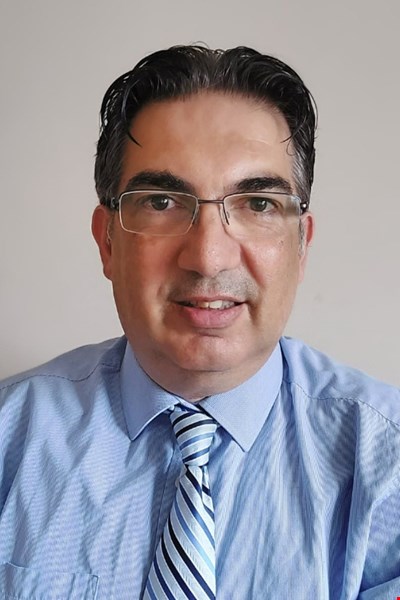
Professor Emmanouil Karteris
Professor Karteris has a long-standing interest in the use of liquid biopsies for biomarker development and mTOR signaling, with an emphasis on reproductive endocrinology and ovarian cancer. He also researches the effects of endocrine disrupting chemicals and other hormones on the fetal-placental unit. He is the facilitator for the new Space Travel research cluster, which investigates how the human body adapts to space.
emmanouil.karteris@brunel.ac.uk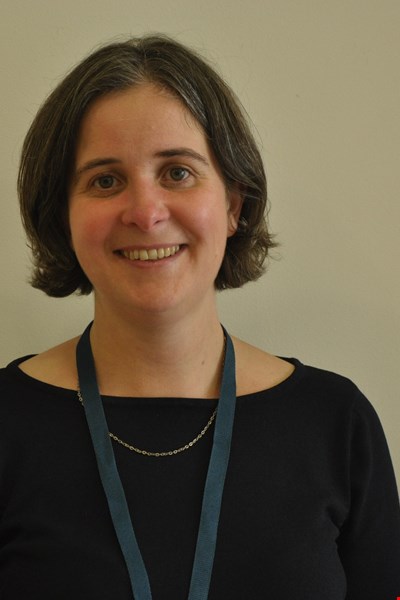
Dr. Annabelle Lewis
Dr. Lewis, a Senior Lecturer in Biomedical Sciences, runs a research laboratory focused on cancer genetics and gene regulation, with a particular interest in colorectal cancer. Her work uses cell lines and animal models to study how common genetic variants (SNPs) affect gene expression and increase an individual's risk of developing cancer. Her lab's primary focus is to determine how non-coding SNPs associated with colorectal cancer affect gene expression and related cancer pathways.
annabelle.lewis@brunel.ac.uk
Dr. Ruth Mackay
Dr. Mackay, a Senior Lecturer in Mechanical and Aerospace Engineering, directs her research towards Organ-on-a-Chip technology, low-cost diagnostics, prosthetics, and soft robotics. She leads the interdisciplinary OOC Research Group at Brunel, which develops alternative systems to study women's health issues, including cancers, pregnancy outcomes, and sexually transmitted infections. Her work involves the intricate development of microfluidic devices and innovative manufacturing methods.
ruth.mackay@brunel.ac.uk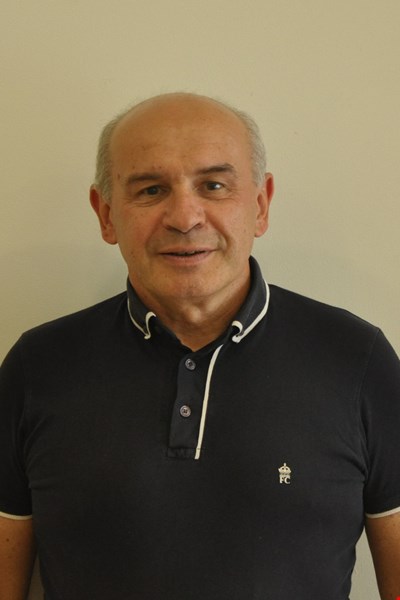
Dr. Evgeny Makarov
Researches RNA splicing, LMNA mutations, progeria and hTERT regulation, including exosome therapies and alternative splicing.
evgeny.makarov@brunel.ac.uk
Dr. Annette Payne
A Lecturer with research interests in computational and systems biology, including bioinformatics, machine learning, and medical informatics. She also works on gene therapy safety and the use of technology to monitor medical conditions.
annette.payne@brunel.ac.uk
Dr. Terry Roberts
Dr. Roberts' research interests are primarily in the field of oncology. His work investigates telomerase expression in cancer, the genetics of breast and prostate cancer, and the potential of anti-cancer compounds derived from the graviola fruit. He also studies lung cancer biomarkers and has conducted research on the effect of chemotherapeutic agents on telomere length maintenance in cancer cell lines.
terry.roberts@brunel.ac.uk
Dr. Christian Rudolph
Leads research on DNA replication, genome stability and DNA repair, uncovering how cells duplicate genomes with high fidelity and what happens when these pathways fail. Current projects examine replication stress, chromosome dynamics and chromosomal architecture.
christian.rudolph@brunel.ac.uk
Dr. Cristina Sisu
Dr. Sisu is a Senior Lecturer in Genomic Data Analytics. Her research focuses on the study of pseudogenes from both an evolutionary perspective and as key players in various diseases. She is the leader of the Genomic Informatics and Epidemiology group, which develops and applies computational and statistical methods to understand the genome's role in health.
cristina.sisu@brunel.ac.uk
Dr. Predrag Slijepcevic
A senior lecturer and bioscientist specializing in chromosome biology. His research focuses on telomeres and their role in medicine and evolution. He advocates for the concept of 'biocivilisations,' which views the biosphere as a flow of biogenic forms and functions.
predrag.slijepcevic@brunel.ac.uk
Professor Michael Themis
A Professor of Gene Therapy and Genotoxicity. His research expertise covers gene therapy vectors and their genotoxic side effects, stem cell biology, and cancer. He is a founding director of the Brunel spin-out company TestaVec Ltd., which focuses on screening the safety of gene therapy products.
michael.themis@brunel.ac.uk
Dr. Sabrina Tosi
Reader and Head of the Leukaemia and Chromosome Research Laboratory. We are interested in understanding the impact of acquired chromosomal rearrangements in the initiation and progression of cancer, with particular focus on infant leukaemia. Our ultimate goal is to identify targeted therapies for those cancers where chemotherapy alone is ineffective.
sabrina.tosi@brunel.ac.uk
Professor David Tree
A Professor of Life Sciences Education. His research interests include Drosophila genetics, Planar Cell Polarity (PCP) signaling, and apoptosis-induced proliferation. He studies how cells within tissues integrate signals to regulate growth and homeostasis.
david.tree@brunel.ac.uk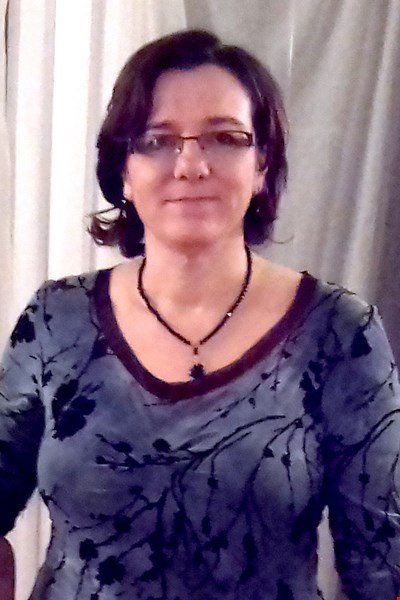
Professor Paola Vagnarelli
A Professor of Cell Biology. Her research is focused on cell division, specifically the dynamics and organization of chromatin during the transition from mitosis to G1. She is also interested in the role of protein phosphatases in regulating post-mitotic events and is a key collaborator on projects related to simulated microgravity.
paola.vagnarelli@brunel.ac.uk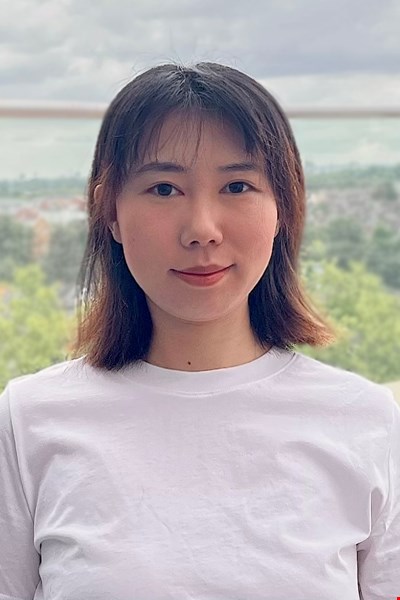
Dr. Bin Zhang
Dr. Zhang, a lecturer in Additive Manufacturing, focuses her research on developing functional engineered tissues. Her work is applied to tissue regeneration, drug testing, and disease modeling. She has a specific interest in organ-on-a-chip engineering. Her research group aims to create new biomaterials and biofabrication methods, including advanced 3D printing and drug-loading techniques, to improve engineered tissues and organoids for the repair of damaged organs.
bin.zhang@brunel.ac.uk
Dr Alessandro Esposito
Director of CenGEM and Lecturer in Biosciences (Epigenetics) leading quantitative cancer biology research that integrates single-cell live imaging, systems microscopy and modelling to study oncogenic signalling and DNA damage responses.
Email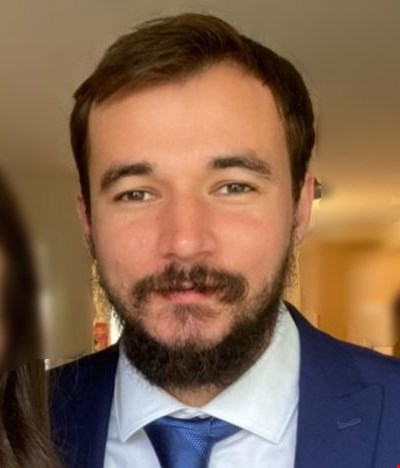
Dr Joseph Hetmanski
Lecturer in Cell Biology investigating how mechanical cues and cytoskeletal dynamics control cell migration, division orientation and metastatic behaviour in complex microenvironments.
Email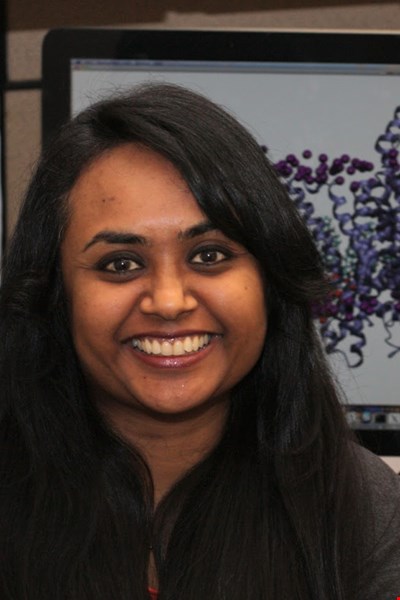
Dr Michelle Sahai
Lecturer in Biosciences using molecular dynamics and computational biophysics to understand membrane proteins, ion channels and protein–lipid interactions with relevance to transport and pharmacology.
Email
Dr Gudrun Stenbeck
Head of Department (Biosciences) whose research focuses on osteoclast biology and membrane trafficking in skeletal systems, including osteo-immunology and nano-bio interactions.
Email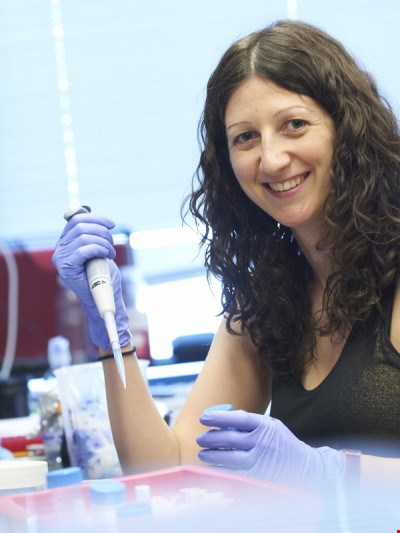
Dr Barbara Tanos
Senior Lecturer in Biomedical Sciences studying centriole and distal appendage biology, primary cilia and epithelial polarity as signalling hubs in development, disease and cancer resistance.
Email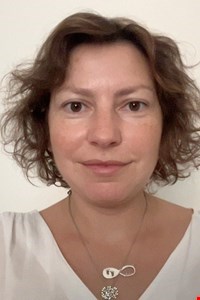
Dr Ines Castro
The Castro Lab studies how the nuclear periphery — from Lamins to Nuclear Pore Complexes (NPCs) — shapes genome function in health and disease. Our work explores how chromatin is regulated in these two functionally distinct compartments and we are especially interested in the effects of laminopathies in nuclear envelope regulation and how NPCs control the import of large molecules, such as the HIV-1 virus.
Email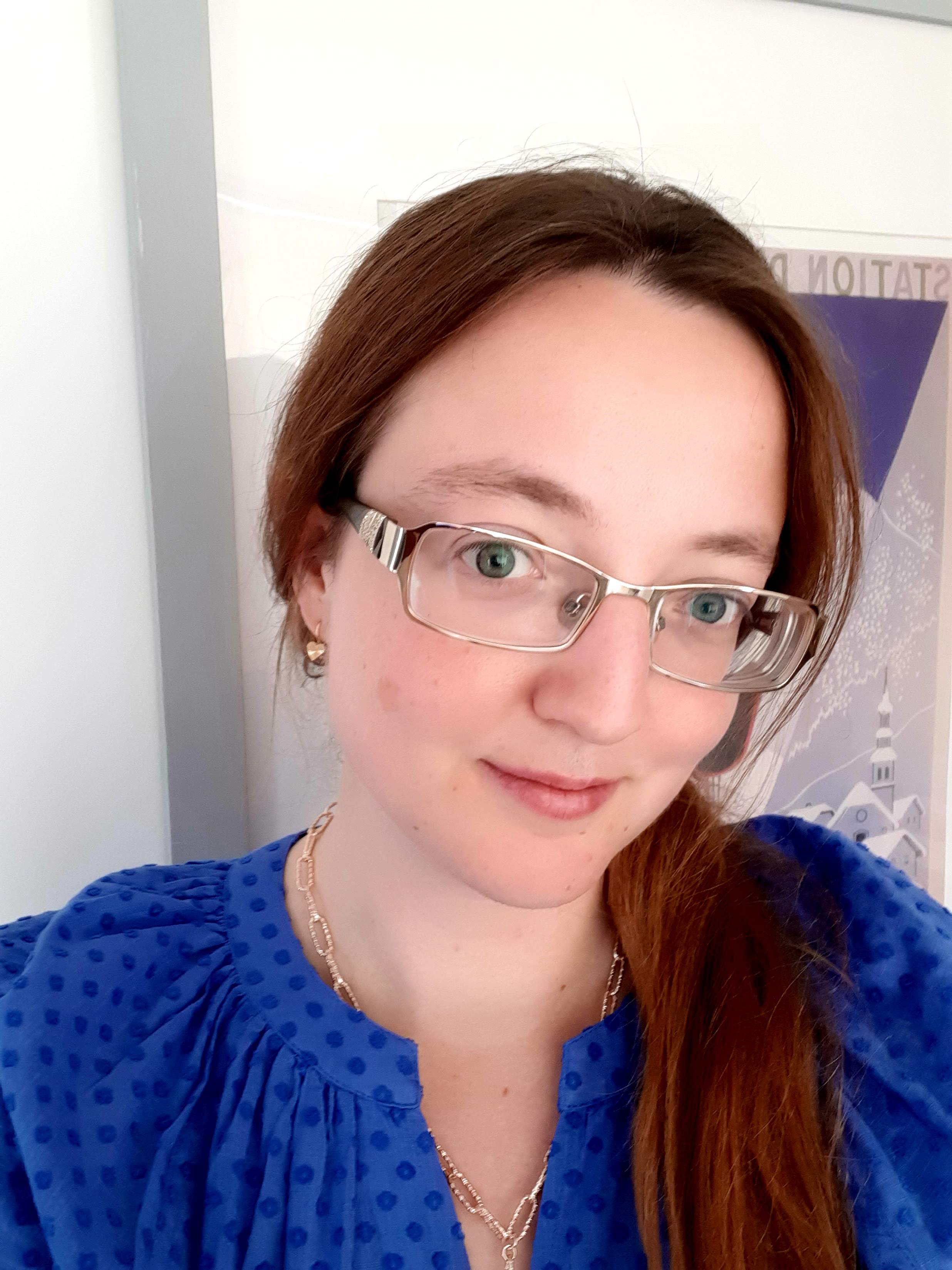
Dr Valeriia Haberland
Lecturer in Computer Science whose research interests lie in the intersection of computing and biological sciences. She focuses on modelling and predicting cancer aggressiveness using machine learning, health data science, and epidemiological causal inference to identify disease associations.
Email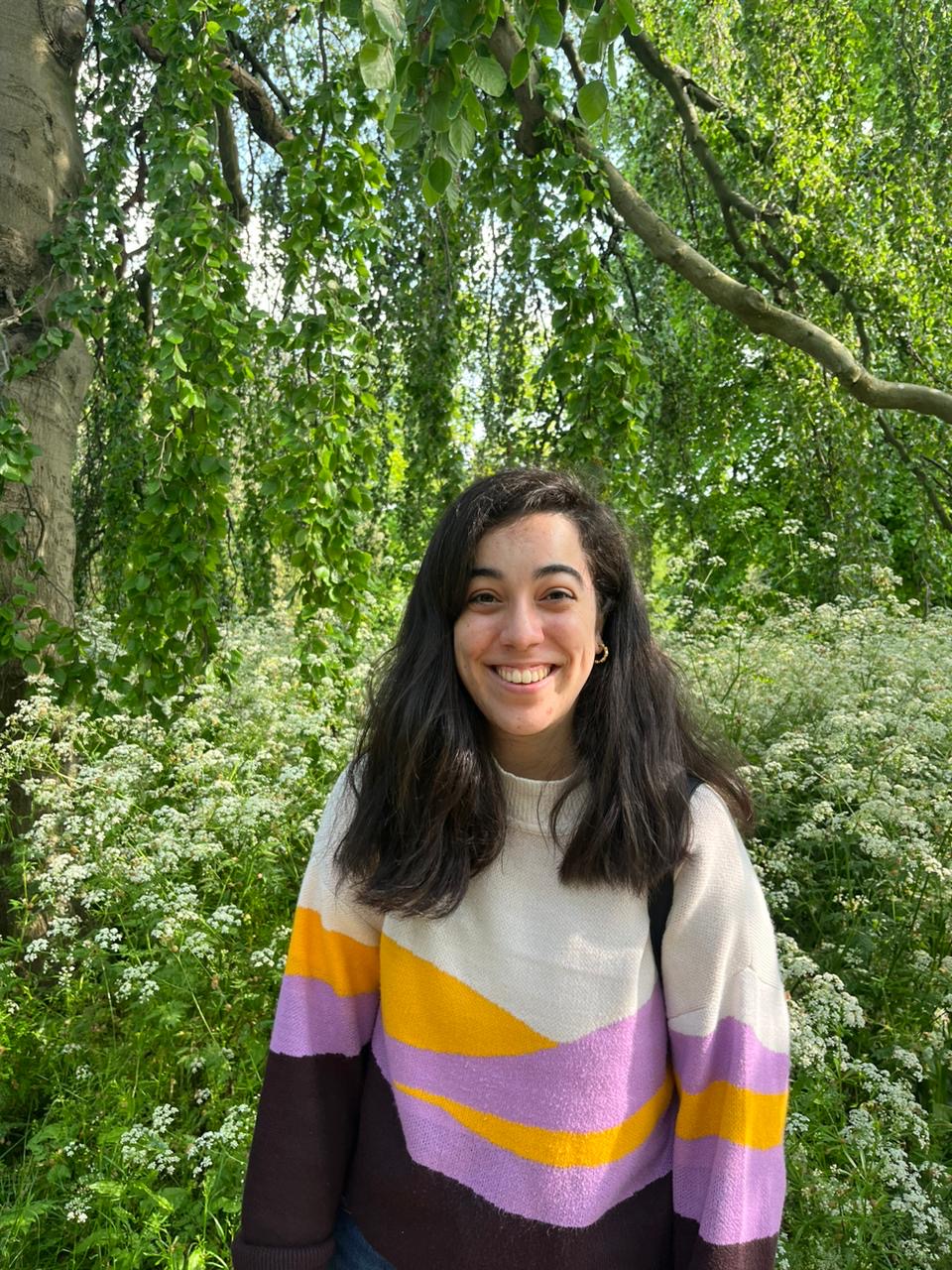
Natalia Castro Mena
Natalia is a PhD student in the Tanos Lab at Brunel University of London, where she investigates how primary cilia contribute to kidney disease. She holds a bachelor´s degree in Biology and a MSc in Genetics and Cell Biology from Universidad Autónoma de Madrid (Spain). Her research explores how ciliary structure and signalling regulates renal diseases, with a particular interest in understanding molecular mechanisms linking ciliary dysfunction to cyst formation.
Natalia.CastroMena@brunel.ac.uk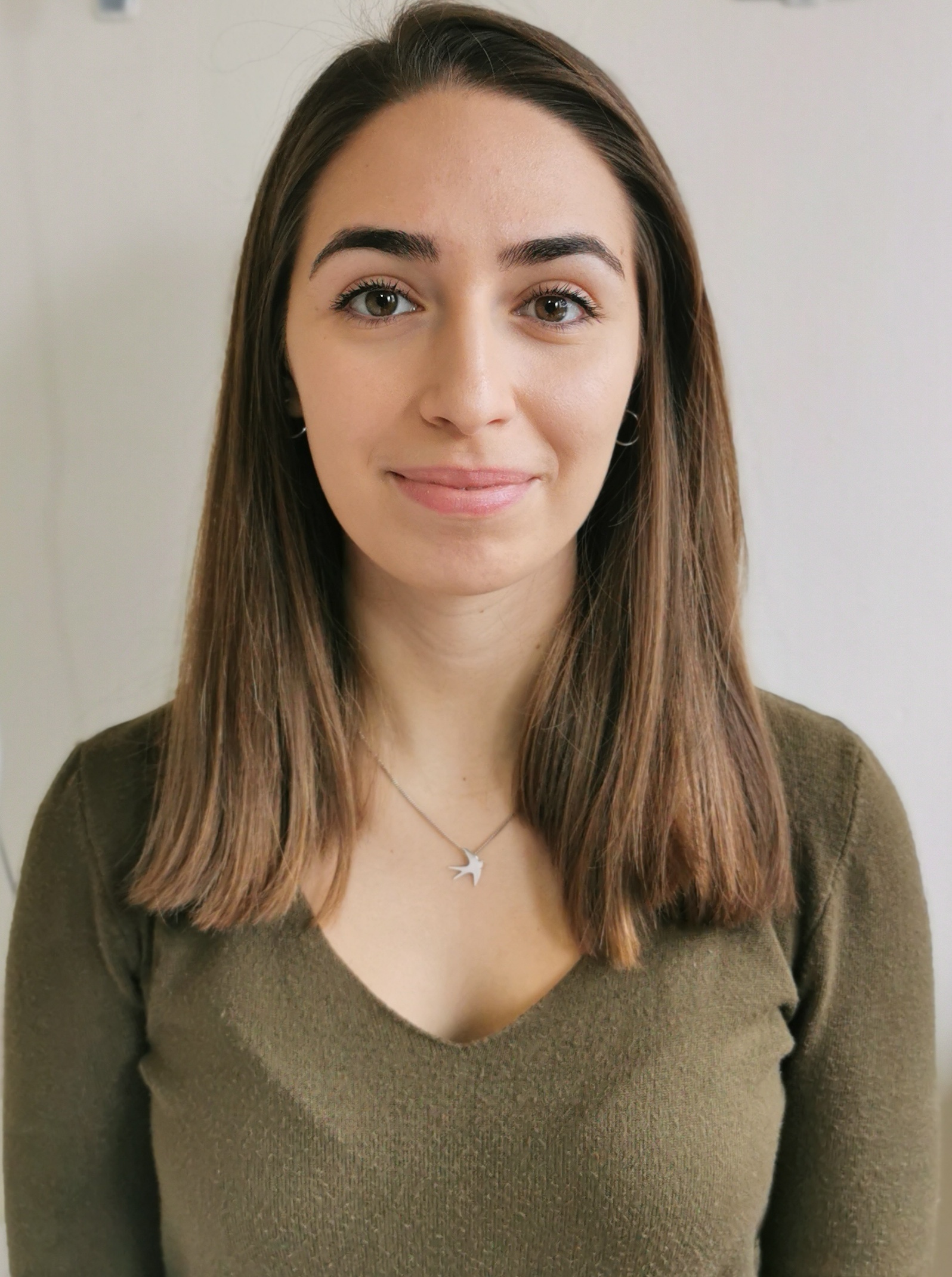
Rita Torres Pereira
PhD student in the Bridger & Castro laboratories studying the impact of Lamin A mutations in genome organisation and gene expression. Focusing particularly on premature ageing Hutchinson-Gilford Progeria Syndrome (HGPS) and Dilated cardiomyopathy (DCM), I am using stem cell models and genome engineering techniques to map and study the genome changes caused by these diseases and how these can impact disease progression.
Rita.AbaladaPedrosaTorresPereira@brunel.ac.uk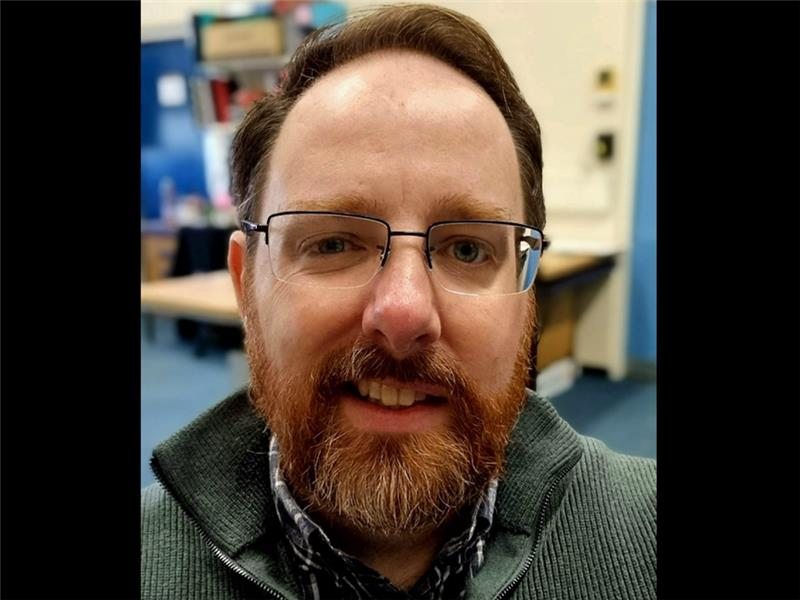
Dr Conor Treacy
Research Fellow at the Esposito lab, working within the Horizon Europe HILIGHT project on advanced fluorescence imaging and digital histopathology. interdisciplinary biophysicist specialising in multiphoton fastFLIM, FRET, and lifetime-based biosensing, with a background in protein mechanics and single-molecule techniques. At Brunel, he applies next-generation TCSPC instrumentation and lifetime reporters to complex cancer models.
Conor.Treacy@brunel.ac.ukDr Mauro Chiacchia
Research Fellow in the Laboratory of Quantitative Biology (Esposito Lab), bringing academic innovation into operational practice. He focuses on translational technology development and on managing research directions that convert complex discoveries into practical outcomes. He has broad interdisciplinary experience across chemistry, engineering, and applied R&D in both academia and industry.
Mauro.Chiacchia@brunel.ac.uk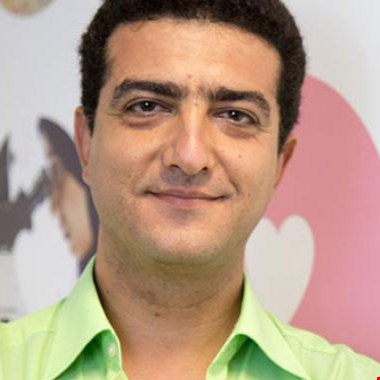
Dr Ahmet Ucar
Dr Ucar, a Senior Lecturer in Biomedical Sciences, studies the biology of breast development and breast cancer, with a particular focus on breast cancer stem cells. Current research directions in his lab aims to (1) develop more effective treatment modalities for patients with breast cancer by therapeutic targeting of breast cancer stem cells, and (2) to design preventive treatments by better understanding the biology of the earliest stages of breast tumourigenesis.
EmailHonorary Members

Professor Kefah Mokbel
Honorary Professor and world-renowned breast cancer surgeon leading translational research on molecular markers and the risk-adapted clinical management of breast cancer.
kefah.mokbel@brunel.ac.uk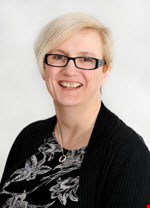
Professor Amanda Harvey
Honorary Professor focusing on cell signalling contributions to therapeutic resistance in breast cancer, identifying new therapeutic targets, and discovering potential new treatments.
amanda.harvey@brunel.ac.uk
Dr Thomas Hofken
Honorary Senior Lecturer interested in the regulation of fundamental cell biological and biochemical processes, with a particular focus on the functions of p21-activated kinases (PAKs).
thomas.hofken@brunel.ac.uk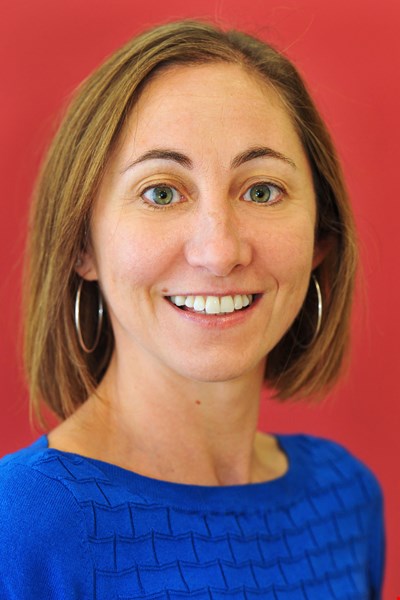
Dr Elisabete Silva
Honorary Reader examining how endocrine disruptors are implicated in hormone-related diseases like breast cancer, using 3D co-cultures and organ-on-a-chip models.
elisabete.silva@brunel.ac.uk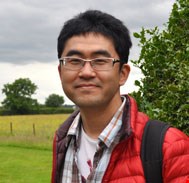
Dr Kazunori Tomita
Honorary Senior Lecturer whose research focuses on telomere biology and chromosome maintenance to understand cancer cell immortality and cellular ageing.
kazunori.tomita@brunel.ac.ukAlumni
Dr Cristina Pina
Years at Brunel: 2019-2025
Current Employer: Sanquin